 |
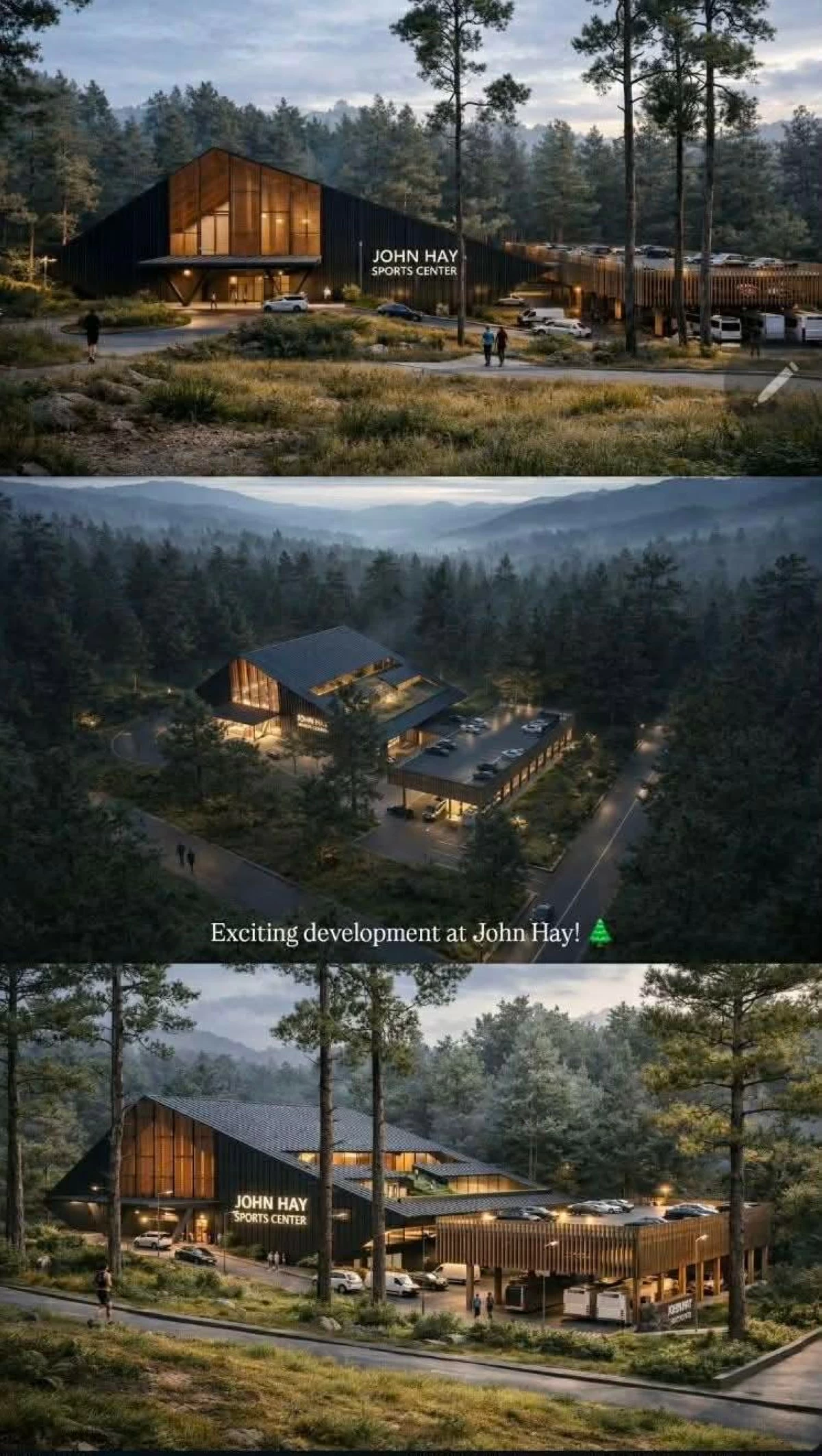
| An artist's perspective and rendition of the John Hay Sports Center (Image Source: Manila Bulletin/Bases Conversion And Development Authority) |
A new chapter in Philippine sports development has begun in the mountains of the Cordillera as the Philippine Sports Commission (PSC) and the Bases Conversion and Development Authority (BCDA) formalized their partnership to build the John Hay Sports Center inside Camp John Hay in Baguio City. The groundbreaking and memorandum of agreement sealed plans for a modern 5,000-square-meter sports training facility to rise on a 6,000-square-meter lot within the iconic mountain estate, further cementing the summer capital’s position as a premier sports tourism destination.
PSC Chairman Patrick Gregorio played an instrumental role in assisting the BCDA during its takeover of Camp John Hay in January 2025, then serving as a senior official of Landco under the MVP Group. Gregorio described the collaboration as a mission anchored on responsibility and confidence, stating, “That is why we are here today. This project, too, is a responsibility built on trust and hope.” Gregorio signed the agreement during the groundbreaking last February 28, 2026 with BCDA Chairman Hilario B. Paredes and BCDA President and CEO Joshua Bingcang along with John Hay Management Corporation President Manjit Singh Reandi, BCDA SVP Mark P. Torres and PSC Commissioners Fritz Gaston and Walter Torres. “Many of our athletes from the Cordillera region have to travel far and train without stability. A regional training ground here in John Hay changes that. It gives our athletes not just from Northern Luzon, but all over the Philippines a place they can call their own,” said Paredes. Unlike traditional single-sport venues, the John Hay Sports Center is envisioned as a multi-disciplinary training facility. It will accommodate basketball, volleyball, futsal, netball, handball, and floorball, among others, providing athletes with a high-altitude training environment long recognized for building endurance and competitive edge. Paredes added, “Let me state this clearly. This milestone was made possible because we chose to work together. No politics, no personal agenda, just one goal to support Filipino athletes.” The concept responds directly to the needs of schools, professional teams, and national sports associations seeking centralized, high-quality training camps within the country. Gregorio got the inspiration from Anton Montinola of Far Eastern University and a member of the UAAP board who underscored the demand for a high-end, high-altitude facility for pre-competition training camps.
The vision is clear: instead of sending athletes overseas for training camps, teams can now converge in Baguio, benefiting from its cool climate, elevation, and proven training tradition. “With this facility, we tell our athletes that they are truly valued. Thanks to PSC, they really ensure that grassroots development reaches the entire nation, because this facility will not only serve Baguio but the entire region as well,” said Bingcang. Gregorio, who is also the Chairman of the National Sports Tourism Inter Agency Committee (NST-IAC), added with optimism — and a touch of challenge — that the project timeline could be accelerated with a target completion of 12 to 16 months. Baguio’s reputation as a training ground for athletes is deeply rooted. Its altitude, cooler temperatures, and serene environment have long attracted boxers, runners, and national teams preparing for major competitions. Gregorio stressed, “I think you will all agree that Baguio City and John Hay are ideal sports tourism destinations. Hindi tayo magkakamali diyan, hindi tayo dapat magdalawang isip diyan.” With the new sports center, the city’s appeal expands beyond elite training into organized sports tourism — hosting camps, tournaments, and long-stay training programs that boost local hotels, restaurants, and small businesses. “You can just imagine professional teams, collegiate teams, corporate teams, communities. This is really the showcase, a destination for sports tourism,” said Gregorio. Beyond athletic development, the project marks a strategic shift in how government sports facilities are managed. “This facility will strengthen national training while generating sustainable revenue to support our Regional Training Centers across the country,” said Gregorio.
Inspired by BCDA’s development model, the collaboration ensures that while elite athletes and national sports programs remain supported, the facility will also be open to the general public. Professional teams, collegiate leagues, corporate squads, and community organizations will pay reasonable user fees — creating a sustainable income stream for both PSC and BCDA. Gregorio said the model ensures long-term viability while setting a blueprint for other government agencies and local government units to follow.
